
The Soul Behind The Flame
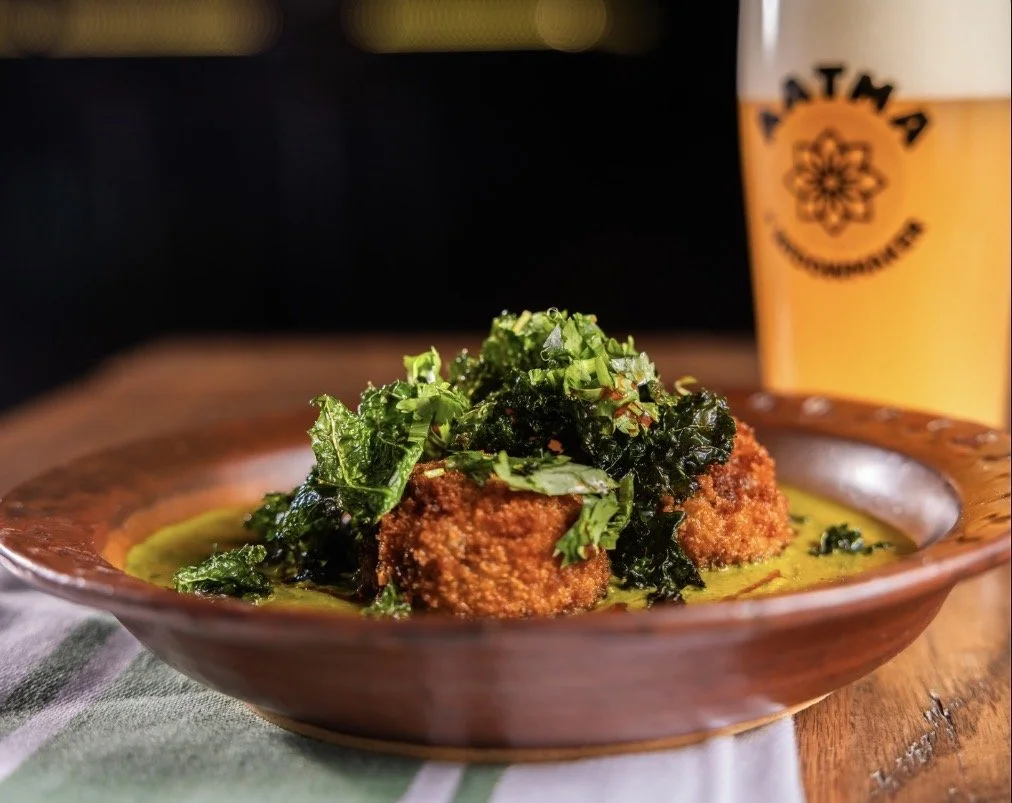
The SaagA Continues. A cigar, a croquette, and the dangerous question that followed.
The breeze cut through the Miami humidity that night.
The air smelled like Cuban coffee, bourbon, leather, and cigars. Somewhere down the block a salsa band was playing. Jon and I were sitting outside Café La Trova in Little Havana, having a cigar and waiting for the food to hit the table.
Then the door swung open.
“Food is here.”
Inside the lights were dim and the music softened into the background. Plates started filling the table. Tostones. Oxtail pasta. Conversations layering over the band playing in the distance.
Then I saw them.
Croquettes.
Two kinds.
One mushroom.
One jamón.
I went straight for the jamón.
Crunch.
Salt.
Fat.
Cream.
It melted instantly.
Good. Really good.
But I needed to know the difference.
So I grabbed the mushroom croquette.
I bit down and something strange happened.
I started laughing.
Not because it was funny.
Because it was that good.
The shell shattered and the inside melted into this deep mushroom cream that wrapped around my taste buds and refused to let go.
You know something hits when you slowly start shaking your head at the table.
That was me.
The mushroom croquette was something I had never experienced before.
That bite sent me down the rabbit hole.
Jon looked up after tasting it.
It was like he had opened Pandora’s box.
Like he had just plugged into the Matrix and answers were being downloaded into his brain.
Then he asked a dangerous question.
“Can we make this with bacon?”
That one question pushed everything further.
But my brain had already gone somewhere else entirely.
What if we took the mushroom croquette and pushed it further?
Not copy it.
Elevate it.
Take something that was already great and build it into something deeper. Something layered. Something intentional.
Because when we worked with mushrooms and saag before, the flavor was there.
The texture wasn’t.
Mushrooms collapse.
They disappear into the greens.
The croquette changed that.
Now the mushroom had structure.
Crunch on the outside.
Silk inside.
The mushroom stayed the star instead of getting lost in the greens.
And somewhere in the middle of all of that another thought hit me.
I think I can make mushroom croquettes better than Chef Michelle Bernstein.
Not out of disrespect.
Just the way a chef thinks when something lights a fire in their brain.
So we started building.
The first test?
Nailed it.
Crunch on the outside.
Silk inside.
Mushroom flavor exploding through the saag.
We all just looked at each other.
That quiet nod chefs give when something works.
Then the second batch came out.
Total disaster.
Wrong ratio.
Too loose.
No structure.
Croquettes blowing out in the fryer.
That’s when the real work started.
Because that’s the thing about cooking.
You don’t really understand a dish until you break it.
Once we fixed the ratios and the structure, everything snapped into place.
The croquette became the anchor of the dish.
Underneath it sat the saag.
Bitter greens layered with spice.
Then chili crisp on top.
Heat.
Crunch.
Depth.
Cuban technique.
Indian flavor.
Two completely different traditions that somehow worked together.
Not confusion.
True infusion.
But that night in Little Havana something else clicked for me too.
Food wasn’t just flavor.
It was history.
Every bite carried something from somewhere. A culture. A technique. A story that existed long before we ever sat down at that table.
If you want to cook well you have to understand where food comes from.
Learn it.
Respect it.
Break it.
But never pretend you invented it.
Take saag for example.
In the royal courts of the Mughal emperor Akbar the First there were no chilies in India yet. Ginger, fennel, and black pepper carried the heat. Saag itself was never just spinach. It was winter greens layered slowly with spices building flavor over time.
Flavor on flavor.
Layer on layer.
That philosophy is what cracked the dish open for us.
Mushrooms cooked down until their earthiness deepened. Aromatics folded in. A tight béchamel binder holding everything together. Cheese melting through the mixture.
Then the croquette.
Crunch on the outside.
Silk inside.
Underneath it all sat the saag.
Then chili crisp.
And here is the part that still makes us laugh.
We have talked about taking the dish off the menu.
But we can’t.
Because we crave it.
The crunch.
The umami.
The bitterness of the saag.
The heat from the chili crisp.
Sometimes someone takes a bite and I see it happen again.
They slowly start shaking their head at the table.
The same way I did that night at Café La Trova.
All because one croquette did something unexpected.
It solved a problem we didn’t even know we had.
Food stopped being flavor.
It became history.
If you want to try them yourself, here is the croquette recipe we use in the kitchen.
Mushroom Croquettes
The croquette that started a rabbit hole after a night at Café La Trova in Little Havana.
Serves 4 | Makes 12 croquettes
⸻
2. Ingredients Section
Break it into groups the way chefs think.
Mushroom Base
1 lb mushrooms, finely chopped
1 tbsp neutral oil or butter
2 tbsp minced red onion
2 cloves garlic, minced
¾ tsp kosher salt
¼ tsp black pepper
Béchamel Binder
3 tbsp butter
3 tbsp flour
1 cup whole milk
Pinch nutmeg
Salt to taste
Cheese
½ cup Jack Cheese, shredded
Breading
½ cup flour
2 eggs + 1 tbsp milk
1½ cups panko
Frying
Neutral oil for frying
⸻
3. Directions Section
Use clear numbered steps.
Readers love this.
1 — Cook the Mushrooms
Heat oil in a wide sauté pan.
Add onions and cook until translucent.
Add mushrooms and cook over medium high heat until all moisture evaporates and the mushrooms become deeply aromatic.
Add garlic, cook one minute.
Season with salt and pepper.
Spread onto a tray to cool.
⸻
2 — Make the Béchamel
Melt butter in a saucepan.
Whisk in flour and cook 2–3 minutes to form a blond roux.
Slowly whisk in milk.
Cook until very thick and moundable.
Season lightly with salt and nutmeg.
⸻
3 — Combine
Fold cooled mushrooms into the béchamel.
Mix in Monterey Jack.
Spread mixture on a tray and refrigerate until firm.
⸻
4 — Shape
Scoop into 2 tbsp portions.
Roll into balls.
Chill 20 minutes.
⸻
5 — Bread
Roll croquettes in flour.
Dip in egg wash.
Coat in panko.
Repeat egg and panko for extra crunch.
Chill again 15 minutes.
⸻
6 — Fry
Heat oil to 350°F.
Fry croquettes 3–4 minutes until golden brown.
Drain and rest 1–2 minutes before serving.
At Aatma we plate these over saag and finish them with chili crisp.
The crunch of the croquette, the bitterness of the greens, and the heat from the chili oil create the bite that made us keep the dish on the menu.
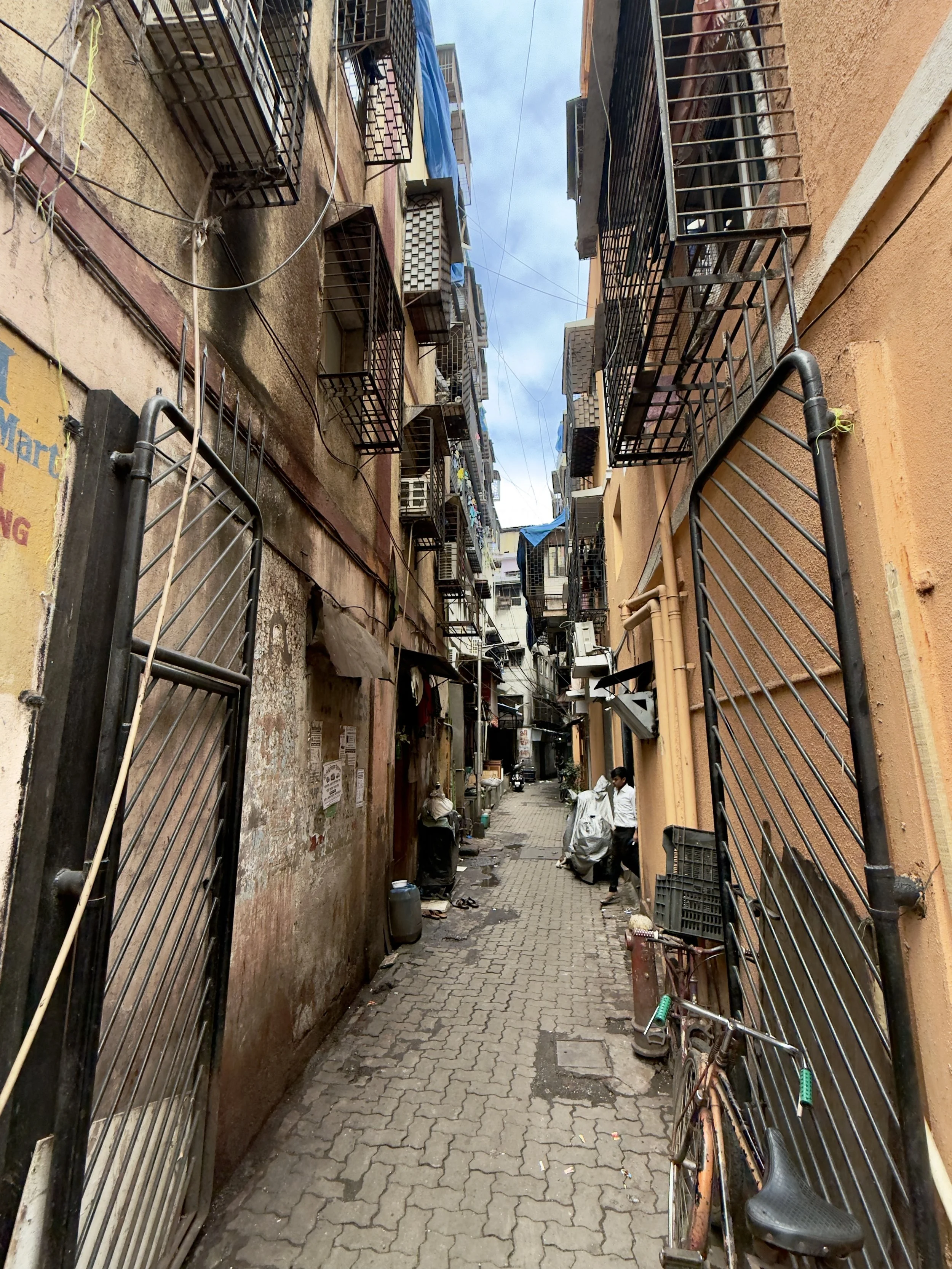
Marked By Mumbai
Arriving on Diwali and Leaving Different
I don’t think anyone has ever captured the soul of travel like Chef Bourdain.
“Travel changes you. As you move through this life and this world you change things slightly, you leave marks behind, however small. And in return, life and travel leave marks on you.”
I got the travel bug young. I was seventeen when I traveled to the Middle East by myself. Travel and I have this love and hate relationship. Once I get to my destination, I want to see and eat everything. I want to absorb every second of it. I don’t want to forget a single moment. I’m the guy who doesn’t want to miss the alarm but somehow ends up almost missing the damn flight home. And when I get back, I need an extra day just to recover from the traveling itself.
I left home in mid September and flew out of the US on October 13. First stop was Munich, Germany. From there, I landed in Mumbai, India on the 22nd. We arrived on Diwali, one of the holiest days for Hindus. It was my first time in India.
Two in the morning. We wove through long hallways at the airport with our e-visas and e-cards ready. The line felt like Disney World during Thanksgiving. By three a.m. I was through customs, bags waiting for me. We walked out, shoved our backpacks through an x-ray machine, and stepped into this market pulsing with life. That moment was my first real taste of what was coming for this ADHD brain. The colors. The smells. The noise. I followed behind the group, weaving through the crowd until we hit the exit.
Outside, more people joined us. Ishan and Sonu were there. Matthew flew in from Seattle. I’d never met him before. I was stunned by how many people were waiting at the airport for their loved ones. The air smelled alive. Ishan handed me a peach Ocean drink. I’d heard about it, and damn, it lived up to the hype. After nine and a half hours in the air, it was everything.
Ishan loaded Matthew and me into an Uber. I don’t speak Hindi. I’d learned just enough to order vada pav or chai, maybe count to five, but that’s it. The driver told us he spoke five languages. English wasn’t one of them. I had Maps open with the address locked in. Off we went.
I’d been warned about Indian traffic. Let me tell you, nothing prepares you for it. I discovered muscles I didn’t know existed just from clenching. I didn’t know your heart could stop and keep beating at the same time. It’s a ride you need to experience once in your life. And here’s the kicker. It works. By my third day I understood the beauty of it. It’s chaotic, yes, but it’s organized chaos.
I saw how hard life can be, and at the same time, how strong community is. Faces that looked like they could shank you at any moment lit up the second I said Namaskar. There’s a twinkle in their eyes when they realize you’re trying to connect. Maybe it’s respect. Maybe it’s appreciation. Whatever it is, it’s real. I remember sitting in the back of a rickshaw and saying Aapka naam kya hai to the driver. He answered. I actually said it right. I replied, Mera naam Jeffrey hai. His eyes lit up like I’d just given him a gift.
Every place we went, there was music. Not the kind you dance to or hear on the radio. The city makes its own symphony. Horns beep in steady bursts that say hey I am on your left or watch out. Vendors call out their deals. Men push carts stacked with metal toward a job site. Someone is always on the phone talking to someone else. And the crows. Man, the crows. They scream like they are telling you a secret you need to hear. It is noise, but it is rhythm. It is life keeping time.
Every morning at Perch Coffee and Wine Bar the city was already awake. Someone swept the street. Someone washed a car. Coconut carts rolled out. Men tied bamboo to rooftops. Rickshaws zipped past. Life didn’t wait for anyone.
Mohammed Ali Road
The first night we went out, we ended up on Mohammed Ali Road at Shabbir’s Tawakkai Sweets. This is where everything started to click for me. An older gentleman sitting nearby looked over and offered us a piece of hot jalebi. I’m not a dessert guy, especially not when it’s soaked in sugar, but this? It was crack. Crisp. Hot. Syrup clinging to it like honey on skin. One bite and every idea I had about Indian sweets got knocked on its ass.
We met the rest of the group and headed to the sit-down spot. Dr. Dalal started talking us through the snacks as they hit the table. There was a naanwich stuffed with minced meat. An egg roll with whole egg mixed right in with the meat. More snacks layered with flavor and spice. I could feel the food addict in me twitching. “Oh baby. Binge time,” the voice in my head said. I held myself together.
That’s when someone said it was raining. Dr. Dalal didn’t even flinch. “We move,” he said, cutting through the restaurant like he’s done it a thousand times. We followed, weaving through the back and out into an alley. That’s when I saw it.
Water was spewing from a storm drain like a fountain. The alley was flooded. The only way forward was a strip of dry pavement, narrow as a tightrope. Jon and I balanced our way across, careful not to step in the water. Matthew came behind us, stepping on the one patch that wasn’t soaked. Across the way, the others were already at the next spot, tables being pulled together, the air thick with steam and noise.
Then I heard it, clear as day. Dr. Dalal ordering. I caught pieces of his words. Do for two. I heard nihari. I heard asthi majja, bone marrow.
The food arrived. Nihari and oxtail. I didn’t even care if it was lamb or goat. I tore off some bread, scooped the meat, and dipped it deep into the gravy. I took a breath through my nose, letting the scent hit me before the bite.
The smell was intoxicating. I closed my eyes. Pressed the food into my mouth with my finger. That first wave of flavor hit me like nothing else. I started giggling. Not laughing. Giggling. Like someone who just tasted pure magic. It wrapped around me like a warm hug. Every layer of flavor spoke. Every spice told a story.
I’ve never done hard drugs, but people talk about chasing that first high. I get it now. That was my high. Sorcery on a plate. Then came the oxtail. Something I know well. But their version? It was next level. It didn’t just meet expectations. It carved its name into my memory.
We sat there as Dr. Dalal told us the history of the dish and the place. Jon and I didn’t speak. We didn’t need to. We were too busy listening through the food. Each bite was layered with history. You could taste the pride of the hands that made it. You could taste the patience, the years, the repetition that brought those flavors to life. These cooks don’t take what they do for granted. They’ve fully embraced it. This isn’t food thrown together to fill a plate. This is craft.
It reminded me of Shinto precision in Japanese cooking. That quiet devotion to being one percent better every single time. Every movement matters. Every spice matters. They don’t cut corners. They represent their food with everything they’ve got. The flavors carry their story. Their story lives in every bite.
The Spice Market
We went to the spice market, and let me tell you, I’ve been to markets in France, Italy, Mexico, and the Middle East… but nothing touches this. This wasn’t just a market. This was sensory overload in the best way. Each stall had its own personality. Mace stacked in neat piles. Cardamom pods that smelled like waking up. Pistachios, dried fruit, and spices stacked high like little mountains of flavor. Vendors were laughing, yelling, cracking open jars and letting you taste everything. For a chef, for three chefs like us, this was our version of FAO Schwarz.
I slowed my steps down. I wanted to feel it. People moved around me like water. Some heading to a shrine, slipping off their shoes to pray. Rickshaws zipped past, missing me by inches. I looked at the sides of the buildings, scarred and stained by life in Mumbai. I breathed in. The air was thick with the smell of roasting spices. Not just one smell. Dozens. Layers. Pepper. Cinnamon. Bay leaf. Toasted chilies. It was like the whole city was cooking.
We turned a corner and there they were. Three men working in perfect rhythm. One stirring a huge wok full of spices. Another adding new spices by the handful. Coriander. Cinnamon sticks. Dried chilies. Bay leaves. The third man stood waiting. When the spices were perfectly roasted, the first man dumped them into a big metal tray and slid it to the next station. The third guy lifted the tray, poured it into this pounding machine that crushed everything down into a fine, fragrant powder. It wasn’t just a process. It was choreography.
I stood there watching, mesmerized. The way they moved together. No shouting. No chaos. Just rhythm. This was how legacy is kept alive. And then I noticed a man off to the side, just waiting. He wasn’t a tourist. He was here for something personal. Keith started talking to him, and I caught pieces of their conversation.
It was his family’s recipe. Every year they came here to have their blend roasted, mixed, and pounded into their masala. Generation after generation. This was where their flavor lived. Their story.
I just stood there and took it in. The heat from the wok. The smoke. The way the air wrapped around me with the smell of toasted spices. I thought about how these people don’t just cook. They honor what came before them. This is not a shortcut culture. This is pride. This is mastery.
This is what cooking is supposed to be.
I’ve always said food is the only real time travel we have. Standing there, I felt that more than ever. Every spice they roasted, every grain of pepper they crushed, carried years of someone’s story. It’s why Indian cuisine is what it is. It’s why the world’s cuisine is what it is. If it wasn’t for India, the flavors we take for granted wouldn’t exist.
Benne Dosa
Every morning in Mumbai, we’d hit Perch Coffee and Wine Bar. We went so often that on a Monday the server, Roni, came over to tell us they wouldn’t open until 10 a.m. the next day so we wouldn’t be surprised. I love that kind of rhythm, the kind where the staff knows your face and your order before you even speak.
Tuesday was Benne Dosa day. If you don’t know what dosa is, don’t you dare just Google it. Go find a place that makes it. Sit down. Experience it. Words won’t do it justice.
Picture a thick black griddle, seasoned with time. A scoop of white batter hits the surface, and the bubbles pop like tiny fireworks. The cook moves with this effortless grace, shaping it into a perfect circle. Then comes the butter. Not just dropped. Glided. He rubs it gently, slowly, over every inch of the dosa. You can hear it sizzling, smell it toasting, feel the air change. It’s like watching a slow dance between batter and heat.
Then comes the ghee. Liquid gold squeezed from a bag, cascading over the dosa like it’s a blessing. The cook takes his palta, it looks like an artist’s spatula, and pats it down, coaxing the edges, working with that kind of precision that only comes from doing something a thousand times. He spreads a rich red masala paste (gunpowder) across the top, painting it like a canvas.
Next comes the aloo masala, spiced yellow potatoes, dropped just off-center. He slides the palta underneath, scraping the edges and lifting the crust that’s formed on the bottom. He folds one side, then the other, lifts her, because at this point she is a her, and lays her gently on a plate like a lover being set down softly.
The chutneys are waiting. Coconut and this deep red tomato chutney. That tomato chutney is burned into my memory. The smell hit me before the plate even touched the table. My mouth was already watering. I felt like a dog who knows the food bowl is coming.
I ripped a piece from the center where the potatoes sat and popped it into my mouth. BAM. The crunch. The softness. The butter. The ghee. The masala. All of it hitting at once like a perfectly timed punch.
I went back in, dragging a piece through the tomato chutney. It was creamy. Nutty. A little tangy. Cashews roasted just enough to give it this soft warmth. It wasn’t just good. It was everything I didn’t know I needed in that moment.
I thought of Meg Ryan in When Harry Met Sally. Yeah. It was like that.
They brought out vada, idli, more chutneys, more coffee, and this soft serve ice cream crowned with a salted cashew crunch. The heat, the spice, the cream, the salt. It all came together like a perfectly built chord. Everything hit hard and smooth. Every bite felt deliberate.
People love to say Indian food is just curries and too damn spicy. Let them keep saying that. It only shows how little they know. Indian cuisine is a living, breathing story that goes way beyond the bullshit stereotypes. India isn’t one flavor. It’s hundreds of languages, thousands of communities, and centuries of history layered on a plate. Empires came, occupied, and left their fingerprints. The Portuguese brought chilies from the New World. The Mughals brought technique, the British brought their arrogance, and India still turned it all into something bigger.
Every region, every state, every community has its own way of cooking. Some dishes will blow your head off with heat, sure. Others are soft, delicate, layered like poetry. Indian cuisine is not one note. It’s a damn symphony.
If you stay stuck in your little curry box, that’s on you. But if you open your mouth and your mind, India will give you flavors you didn’t even know existed.
Lessons from the Road
Traveling doesn’t just teach you about a place. It teaches you about yourself. India hit me in a way I didn’t expect. It forced me to slow down, to watch, to listen. It showed me how life can be hard and beautiful at the same time.
I saw stray dogs and cats that would make anyone’s heart break, and then out of nowhere a man would pull up on a motorbike and feed them like it was just part of his day. I saw a mother lay out a tarp so she and her special needs son could have a place to sleep for the night. I watched the traffic move like a living creature, wild, unpredictable, but somehow it works. It’s not instant. It’s not polished. It’s real.
The weather punched you in the chest. One minute it was 95 degrees and the sun felt like it was sitting right on your skin. The humidity wrapped around you, heavy as an elephant pressing down. And the smells, man, the smells. Some good, some not so good, all of it alive. It sticks to you. Not in a bad way. In a way that reminds you that you were there.
And the patience. India runs on its own clock. Nothing’s instant, but everything happens. Somehow faster than you expect. The morning we arrived, we ordered water. Ten minutes later, poof, it was at the door. It’s not the kind of speed that comes from rushing. It’s the kind of speed that comes from rhythm.
Everywhere I went, India left fingerprints on me. It’s a place where flavor isn’t just cooked. It’s lived. It’s chaos and precision, sweat and devotion, all in the same breath. It’s the kind of place that doesn’t just leave a mark on your soul. It carves it in.
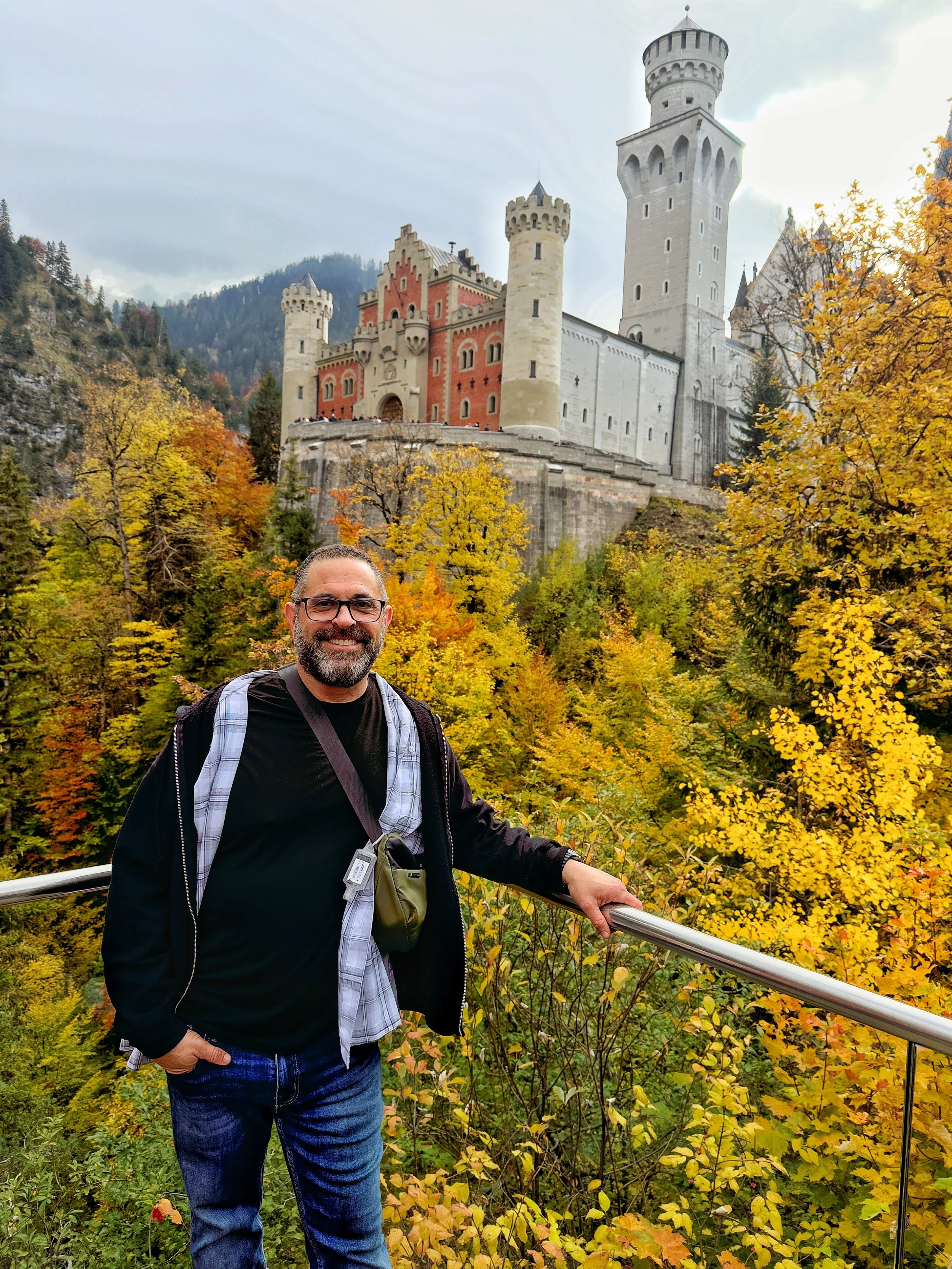
A Table Set for Memory
I am, as most of you know, a recovering food addict.
Wait. Recovery suggests you’re on to the next level of healing. I have to be honest. When it comes to food addiction, you are never healed. You learn awareness. You learn how to live with it. You build a mindfulness that lets you step back before you fall. But it’s always there. One slice of anything can send me into a binge.
My relationship with food is different now. It has to be. Because if it isn’t, it will kill me.
I’m in the middle of a three week world trip. Food has been at the center of every moment. Yes, I’ve seen incredible sights. But nothing has shaken me the way stepping into my first concentration camp did. There are no words. No preparation. Nothing can ready you for the weight that settles on your chest walking through those gates.
Food was what helped me shake that weight. Desperation. Sadness. Guilt. Knowing that I lost family members in those camps. Somehow, food gave me space to breathe. To process. To understand.
For most of my life, I believed I had no identity. Growing up in Florida, I told myself I came from a place with no real food culture. No roots. I spent years wishing I’d grown up somewhere else. Wishing I belonged to another culture. Wishing I could peel away the German Russian Jewish layers and be someone easier.
I carried this quiet shame of being Jewish. I hid it behind jokes, behind food, behind silence. I convinced myself Germany would always be a place that held only one story for me — pain. Hate. What they did to my people. That scar has lived in my soul as long as I can remember.
And then I came to Munich.
I need to say this to Germany. I am sorry. I judged you before I ever gave you a chance. I let the history define you. I let fear define me. I judged the book by its cover, and that’s on me.
That night in Munich, food cracked something open in me. Ambari restaurant. Rashmi and Kiran. Your food didn’t just feed me. It lifted me. It wrapped its arms around a table of people carrying the weight of Dachau on their backs and gave us a place to breathe again. Your kindness turned strangers into family.
Munich, your food woke something up in me. Some of those bites sent me straight through my timeline. I tasted my childhood. My grandparents. Safety. Love. I had always put German food in one box and Jewish food in another, like they couldn’t touch. Like they didn’t belong together.
But then the flavors hit me. Sausages. Pork. Mustard. Dill. Pickles. Sour. Sweet. Tang. And in my head I heard myself say, “I see you Germany.”
I realized something I had ignored my whole life. The food I grew up with was not just mine. It was shared. It was layered. It was part of this place too.
Germany didn’t erase my identity. It helped me see I always had one.
I am Jewish. I am the child of survivors. I carry their stories and my own. And I should never, ever be ashamed of that.
Walking through Dachau showed me the darkness. Sitting at that table showed me the light. Both are true. Both live here. And so do I.
That word… resilience.
I used to hear it like a compliment. Now I feel it in my bones. At almost fifty five, it means something different. Yes, I have wanted to end my life. Yes, I have walked through pain I thought would crush me. But I am still here.
Food still has a hold on me, but the grip has softened. I can breathe. I can taste without drowning. I can sit at a table and be present.
Traveling opened my eyes. Not just to other cultures, but to myself. It showed me the boy who used to hide in corners. The boy who didn’t know where he belonged. The boy who waited for Sundays with his grandparents because it was the only time he felt safe.
I see him now. I hold him now.
For years I let my trauma speak louder than my voice. I let it build walls between who I was and who I wanted to be.
But this trip, this food, this moment, has stripped those walls down.
The pain isn’t gone. But I’m here. I’m breathing. I’m tasting. I’m living.
And for the first time in a long time, I know who I am.
See the video below -
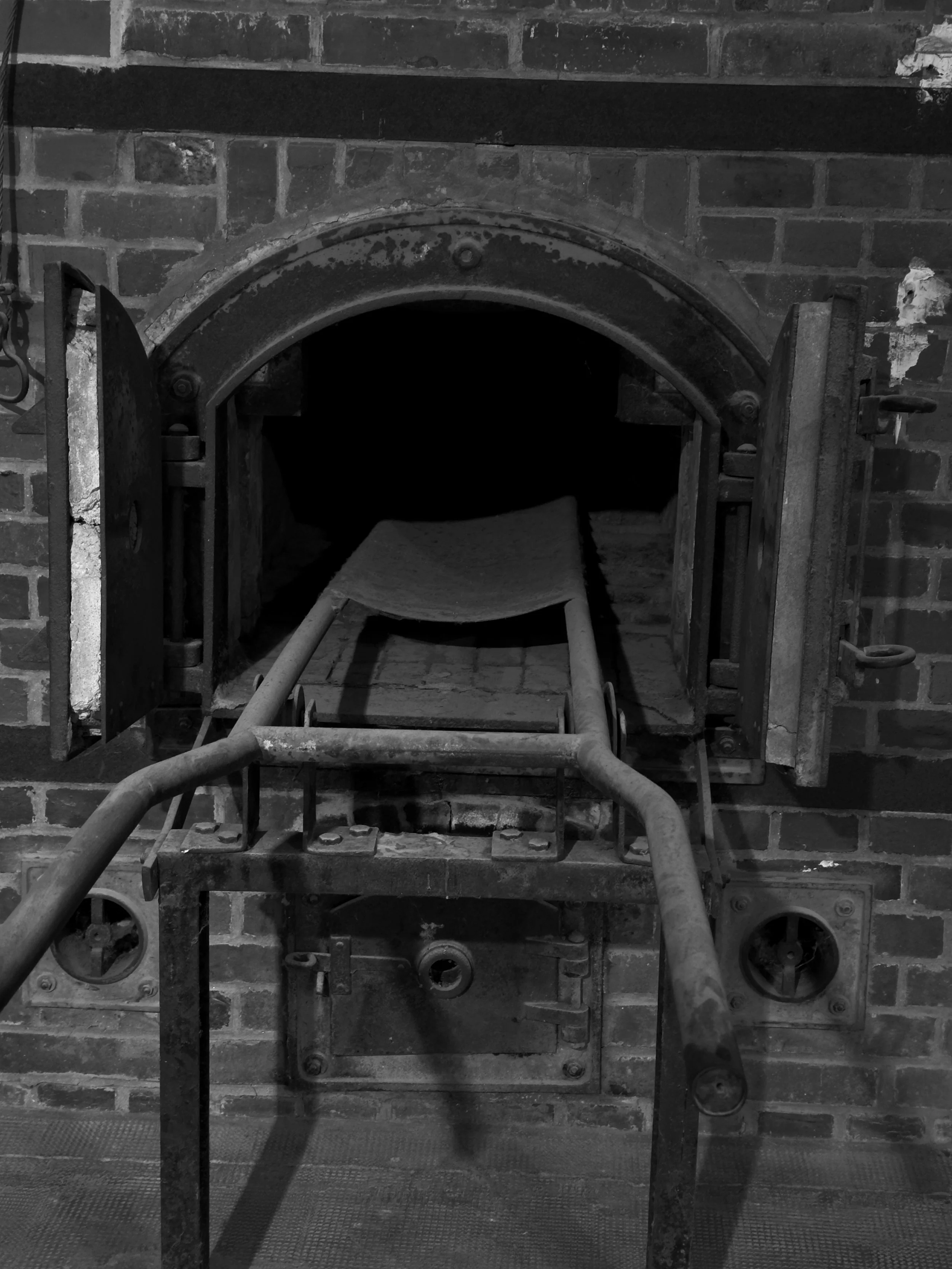
Travel Left its Tattoo On My Soul
I thought I was just visiting Dachau. I didn’t realize I was walking into a moment that would tattoo itself on my soul forever. The silence. The gate. The crow on the platform. This wasn’t just travel. It was history staring back at me.
Anthony Bourdain said it best. “Travel changes you. As you move through this life and this world you change things slightly, you leave marks behind, however small. And in return, life and travel leaves marks on you.”
Yesterday, that mark tattooed itself on my soul.
After 42 years, I finally checked something off my bucket list. Dachau. I’ve always loved history. Call me a history nerd. I own it. I even have a degree in it. My focus was from 1923 to 1973. From the rise of the Nazi party to the fall of Saigon. I never really knew why I felt this pull toward that part of history. Maybe it was because it was such a dark time for humanity. Maybe because I was raised Jewish. Maybe both.
But I do know this. At the age of 12, two brothers came home from Catholic school and told me I killed Jesus Christ. Around the same age, a neighbor looked at me and my friend and said “Hitler should have gotten all of you.” When I was 17, a classmate in Jerusalem got punched in the face by a Norwegian tourist who said “Hitler should have killed you.”
At 19, my father and I got into it with someone on the intercoastal waterway. The person looked at us and said “you people.” A friend told me a story about getting into an elevator in Poland during a Birthright trip. Someone looked at her and said “I thought we got all of them.”
All of this made me feel like I had to understand it. Why it happened. How it happened. So that it would never happen again.
October 15, 2025. A day I will never forget. The sky was the bluest blue. Not a single cloud. The breeze was cool and clean. I walked the path toward the gate. Arbeit Macht Frei. Work will set you free.
I stopped. There was nothing. No birds. No crickets. No sound. Just silence. A crow sat on the train platform like it was standing guard over the ghosts. I felt a weight press down on me. But weirdly, I also felt peace.
I walked into the barracks and saw the rooms where prisoners lived. I touched the walls and tried to imagine what they felt. I walked down the rock path, turned left, and saw the crematorium. I walked up and started to take pictures. Then it hit me. I was standing where they gassed people. Where their lives ended…
I can’t explain the feelings that went through me. They were heavy. They were real. They were mine.
But I know this, I am not the same person who walked in through that gate. Dachau changed me.
Watch the video here

Bullets
Bullets
According to Unbabel, the most complex languages to learn are Mandarin, Arabic, Japanese, and many more. I disagree. Communication itself is the most complicated language to master.
The English alphabet has twenty-six letters; we can all agree on that. Those twenty-six letters combine to become some of the most potent weapons known to man. They hold more energy and power than all the nuclear arsenals worldwide. Think about it: those same twenty-six letters can be arranged to destroy a person and lift them higher in the next breath than they’ve ever been.
As children, our race wasn’t about schooling. It wasn’t about learning everything we could or being the best at this or that. Our race was to become adults. We used to say, “When I grow up, I am going to…” Then we did grow up. And now, as adults, there are more memes than ever about not wanting to be adults anymore. But such is life! According to Monash University, the phrase “such is life” may have been Ned Kelly’s last words before he was hanged. The Cambridge Dictionary states it may have originated from the Latin Sic vita est hominum. Who would have thought you’d be learning that today?
Words cannot kill, but they can inflict a pain so deep that someone may want to die. Those twenty-six letters can ignite emotions that cause people to lose themselves, to spiral out of control. Words can be arranged like bullets, shattering a heart into millions of pieces. The wounds left behind by careless words can create a darkness like no other. And yet, those same letters—rearranged—can lift, heal, and support someone at their lowest.
On my journey to being the best version of myself, I have learned to process what is said to me. This practice gives my mind time to think and lets my emotions flow through me so that I can find the correct response. I realize that setting boundaries is essential to mental health. We have the ability to make our points without destroying the other person. It is not about winning; it is about being happy. Read that again: It is about being happy.
Trust me, I have my share of days when I don’t feel like adulting. Anyone who is an entrepreneur knows that feeling all too well. There are days when every front of life feels like a losing battle—the sense of collapse, loneliness, and the fear that everything you love is fading. You think, I know so many people—surely, they’ll come try my food! Or this is so different; everyone will want to experience it! You constantly ensure you have enough gigs lined up to stay afloat, but financial survival isn’t the only reason we do what we do. Once in a while, you create something for someone, and their response reminds you why you started in the first place. They use those twenty-six letters to lift you.
Ultimately, life would be better if we used what we have more wisely. We have two ears and one mouth—it’s time to use them proportionately. How much better would our world be if we spoke with empathy first? If we asked ourselves how we would react if someone said this to our child, how different would our conversations be before speaking? There’s a saying in the restaurant industry: If you wouldn’t serve it to your mother, don’t serve it to a guest. Why don’t we apply the same standard to our words? If you wouldn’t say it to someone you love, why say it at all?
The next time you have a difficult conversation, remember this: the words you load into your mouth can never be taken back. You have the power to destroy someone—or to lift them. Choose wisely.
Sunshine State Secrets: Unraveling Florida's Culinary Quirks & Conundrums!
It all begins with an idea.
I have to admit that, growing up in Florida, I never had that sense of "my home!" What do I mean by that? Simple, When people move from New York, for instance, they are diehard New Yorkers! When I traveled, I never thought saying I was from Florida was hip or Kool. I was actually embarrassed to tell people that I was from Florida. I mean, come on, zombie bath soap face-eating people! How about those "hangers" or "chads" from that election? What about all those "Florida man...did this" in the news?
As a chef, I have always wondered what Florida is known for besides the BSC! Hear me before you start blasting your emails about what is genuinely Florida. If I say cheese steak, what city instantly comes to mind? If I had to say deep-dish pizza, what city or cities would you say? Last one, how about redfish being blackened? I have always struggled to determine what Florida is known for regarding cuisine. Are we known for Key Lime Pie? Hell, do we even grow Key Limes in the State? If you do a Google search, you will find the University of Florida chimes in on the topic, which is quite eye-opening. "The Key lime was carried by the Arabs across North Africa into Spain and Portugal and was brought to the Americas by Spanish and Portuguese explorers in the early part of the sixteenth century (Ziegler and Wolfe 1961). The lime became naturalized throughout the Caribbean, the east coast of Mexico, Central America, tropical areas of South America, and the Florida Keys. Commercial production in Florida in Orange and Lake Counties was evident by 1883. Later, small commercial plantings occurred in the Florida Keys (~1913 to 1926) and Miami-Dade County (1970s to early 2000s). Today, there is little to no commercial Key lime production in Florida, although it remains a popular home landscape fruit tree.
Key limes are grown in warm subtropical and tropical regions. Major producing countries are India, Mexico, Egypt, and various countries in the West Indies." According to the website https://edis.ifas.ufl.edu/publication/CH092#. So, Key Limes was brought here rather than from Florida. Our quest marches forward. We are a peninsula surrounded by three sides of water. Our climate varies from Key West in the south and the Panhandle to the North. After living in this State for over fifty years, I discovered we have a peach season. Mind you, the peach season is as long as a brain fart.
I narrowed down my search on Google. I typed, "What is Florida cuisine?" and found a blogger with the answer. According to https://www.tastingtable.com/1218051/iconic-florida-foods-you-need-to-try/, here is what Florida cuisine is. Number one is Key lime pie - um, Key Limes are not even grown in Florida! Number two is the Cuban sandwich. Call me crazy, but the name states CUBAN, not FLORIDIAN. Number three, Stone Crab Claws, okay from Miami, used to be dirty food back in the day. Apalachicola Oysters comes in at number four. As a Floridian and a chef, I stay away from these guys as our waters are not the cleanest—number five lists pink shrimp as a Florida shrimp. I have to dive deep into this one.
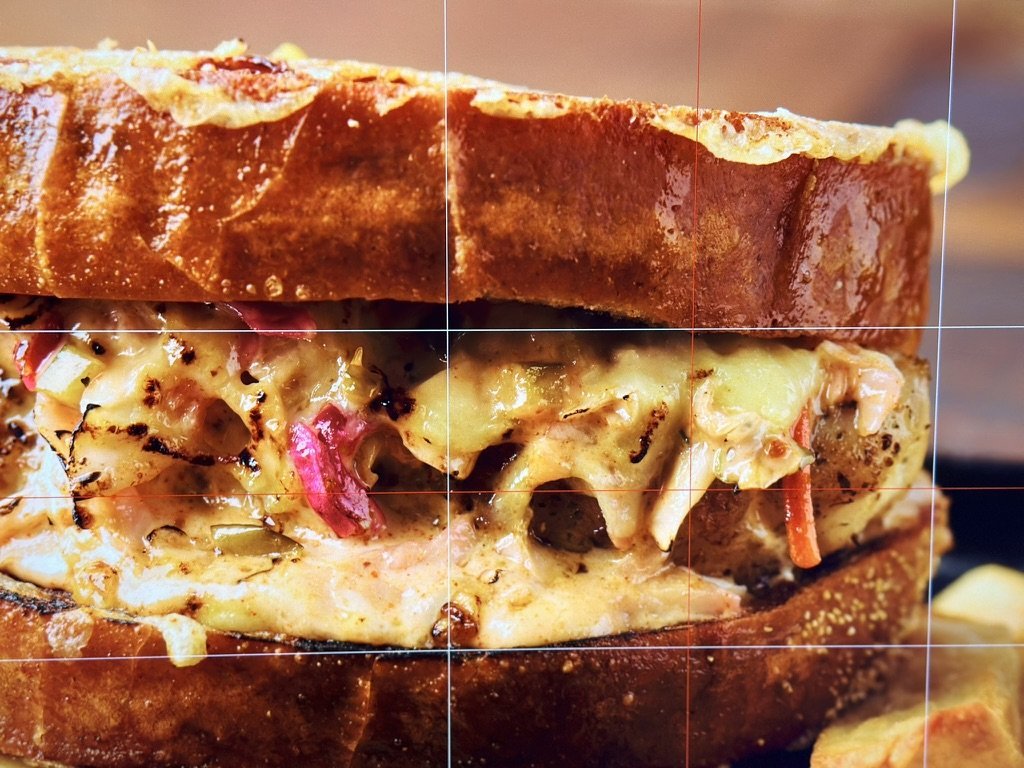
Vannamei are a type of shrimp. They come from Indonesia and are, for me, flavorless. Pink Shrimp or Brown shrimp are "shrimpy" in flavor, and Florida is known for peel-and-eat shrimp loaded with butter and cajun spice. How does that make it Floridian cuisine? Fried Grouper sandwich or, as we know it, Grouper Rueben. It can be fried or grilled. The fish is commonly served on grilled rye bread with cole slaw, Swiss cheese, and Thousand Island dressing. It is a swap-out sandwich. Take the sauerkraut from the OG Rueben and the corned beef, add the grouper and the slaw, and there you have it. How is that Floridian Cuisine? Sour Orange Pie comes in at number seven.
Let me know if you are from Florida and your grandmother made this pie. I have never heard of or seen this pie before! Now that I live on the West Coast, this is a Tarpon Springs thing, not a Florida thing, a Greek Salad with potato salad. Yes, there is a story of why, but I still don't understand it. The next one is a Manhattan Clam Chowder, not Minorcan Clam Chowder. This chowder is from St. Augustine, Florida, and adds the Datil pepper to it. It also comes from the Spanish colonization of Florida, so is it truly Florida? The Pan con Minuta - the fried fish sandwich, comes in at ten. Is this Florida cuisine?
Rum cake and conch fritters are next. Let me say that these two are NOT Florida at all! Fried gator bites, okay, maybe, but can't you get a gator Po boy in Nawlins? Rounding the bottom of this article, I am researching the following: The Frita Cubana, Guava Pastelito, Ceviche, and Dole Whip (what the hell is that). Let's take the last one because it is funny. Dole partnered with Disney in the 70s and developed this iconic drink for...wait for it, the tiki bar at, you guessed it, Disney Land. Wait, if my memory serves me correctly, Disney Land is in California, and Disney World is in Florida; how does that...
If you type in "What is Florida cuisine?" the first thing that pops up is a Wikipedia definition. It states, "Floribbean cuisine is a fusion cuisine found in Florida. It is influenced by Caribbean cuisine, Cuban cuisine, Jamaican cuisine, Puerto Rican cuisine, Haitian cuisine, and Bahamian cuisine." Growing up, I was blinded by the notion that my State had nothing to offer. I felt that my State provided nothing to the culinary world. If you think about where you would want to go on a culinary journey, is Florida one of the places you want to eat? It wasn't until recently that I figured out what the cuisine of my great State is. There is not one definitive answer that anyone can come up with. What I love about the cuisine of my State is that there is no clear-cut definition of our cuisine. Florida is a state that is transient at best. We have had such an influx of people from so many cultures that they have defined Florida cuisine.
When Florida was being developed and the railroad was being built, we had an influx of slave labor, and with that came some incredible cuisines. Throughout Florida's rich history, we have had so many culinary defining moments, and I lived through one of the biggest and was so fortunate to be a part of it. The year was 1981. The Iran Contra thing was in full swing. Cocaine was also a hot import, and Cuba opened its prisons, and people came by the thousands. I remember being a teenager and seeing the tent cities under the 836 and the 826. When people ask where I am from, I always say, "North Cuba! AKA Miami!"
To me, Florida is a true melting pot of the world. There is no Chinatown or Little Korea. We have parts of Florida known for a particular influx of people. Take Carol City or Overtown, known for its Haitian population. Southwest 8th Street in Miami is known as Little Havana. Every year, the US celebrates Latin Heritage Month from September 15th to October 15th. I get to celebrate it every day.
Today, I embrace the influx of cuisines and cultures to Florida. I find that ethnic cuisine is full of flavor and taste-bud-blowing. Chef Anthony Bourdin said best: "When someone cooks for you, they say something about themselves. They tell you who they are, where they come from, what makes them happy." I genuinely believe this to be so true. When you eat at a restaurant specializing in their country's cuisine, embrace what they cook for you. We should never have a cuisine assimilate itself so much that it loses its origin. The reason why we travel is to try new things and see unique places that we have just read about. Why should we eat American food in Paris? As Americans, we have this notion that we know what a country is known for by its cuisine.
Is that true? Take, for instance, the national dish of Jamaica. Is it Jerk? Nope, not at all. Ask someone from Jamaica, and they will tell you. We have chefs like Michelle Brienstein, who comes from a Cuban-Jewish background, and she has given us Jewban cuisine. Locally, we have Chef Norman Van Aken/Chef Allen Susser, who created "Floribbean cuisine." Floribbean cooking takes cuisine from the Caribbean/South America/Central America/ West Africa. It combines the natural resources of the land and the techniques they have learned from other cultures to create these excellent flavor meals we see today. One of the most American cooking styles is from a little island in the Caribbean. The Taino are indigenous to Puerto Rico and developed a cooking method called Barbacoa, which is not the beef cut but the actual cooking method. The word later became the word we know today as Barbecue or BBQ. Some great, talented chefs have embraced this cuisine and are doing things that would excite your taste buds into a frenzy! How about a guava and cheese rugelach? How about Latin spiced pink shrimp/ Florida fresh corn grits/Florida goat cheese/blistered Florida tomatoes? Have you ever wondered how Jerked Cantonese duck would taste? Well, in Miami, you could find that.
In honor of Latin Heritage Month, we all should embrace the authentic cuisine of Latin America and try something so different that you may find something you love. We may not have the Philly cheese steak, the NY pizza, or the cheesecake, but we have so much flavor that the rest of the country has never had or will have. It is time that Florida makes its mark as a culinary Mecca!

Whining Kitchen Aide
It all begins with an idea.
So, you want to become a chef? You love the idea of being creative and working with food. You follow the who’s who of the culinary world along with social media influencers. You read about food, clip recipes to try, and have even developed your own menu for when you open a restaurant. But here’s the biggest question: Why?
This is the most crucial WHY of your life, as it will dictate how your life unfolds. Those celebrity chefs you follow—are the .00001% of what it takes to become a chef. Each one of those chefs did whatever it took to reach that level. Their path is irrelevant to you. Your path is your own! The social media influencers you admire—they carved out their own niche. You need to create your own unique brand.
As you continue reading, we will explore why. But first, some legitimate questions. Who am I? I am no one of particular importance. I have been a culinarian for over forty years. I am simply a guide presenting what it truly means to be a chef. My words may anger some, and I might omit things others are passionate about, but ultimately, YOU must decide your WHY.
The restaurant failure rate is alarming: one out of three will close within the first three years. When I was in culinary school, they told us that 98% would close in the first year. Maybe they didn’t believe in their WHY. We chefs wear multiple hats throughout the day. What kind of hats, you ask? Quality control, accountant, line cook, purchasing agent, receiver, loss prevention, advertiser, marketer, a form of HR, hiring manager, enforcer, firefighter, life coach, motivator, therapist, teacher, mentor, mentee, delivery person, caterer—the list goes on. Our hat rack is quite full.
These roles can be taught as you learn to cook and progress to the next level. What cannot be taught but must be realized is the toll this business takes on you—both physically and mentally. The abuse you endure to get to your WHY. If you are okay with the verbal and physical abuse, then let’s move on. Do you value your family unit? Do you enjoy spending time with friends? Do you cherish free time and holidays with loved ones? Do you like hanging out on a Friday or Saturday night? If you answered yes to any of these, best of luck to you—this industry is not for you. The glamorous life of a celebrity chef or social influencer is just that: their glamorous life. You are just an infant in this industry; you need guidance and mentorship. Finding the right Chef to mentor you is another challenge. Chefs have egos, and when we see potential, we try to enhance it and work with that person, but only if they are willing to endure what it takes.
One thing we cannot teach is passion. Many cookbooks talk about ingredients and how they make the dish, but you will never cook that dish as well as the author. Passion is the most powerful ingredient in a chef’s knife roll. I always ask potential cooks three questions: What is your go-to comfort food when you’re sick? If you were to cook for me, what meal would it be and why? And tell me about your last craveable meal and why it was so memorable. Lastly, I ask them to cook an egg over easy. Why? Because an egg is the hardest food to cook perfectly. Try it—make an egg over easy without gadgets to flip it, and don’t break the yolk. What about the perfect poached egg? I could go on forever about eggs.
If, after all that, you still want to sign up, I have more to offer.
At this point in my career, I look back and realize there are more past memories than future ones. Follow me here. I am 53 years old; the time I have ahead is not as long as the time behind. I have an unknown variable—I don’t know when I will stop or have to. At my age, I must prove to myself that I still have IT, whatever IT is. Yes, we all grow old, but chefs are cut differently. At a certain age, you look at that whining kitchen aide and think, how much more can you take? I make it a point to move with intent and execute my food in the quickest and most craveable way. For many, growing old sucks, but for a chef, realizing that their time is winding down is a true sign of strength. You also have to maximize what is still left in you. I guess I need to oil my kitchen aide because I am just getting started. I look back at all the seasoning I went through to become the chef I am today—it’s been a crazy, fucked-up journey, and I wouldn’t change a thing. I am a chef because I constantly strive to create the most craveable meals for people. I am a chef because of my passion for food and the joy people find in my creations.
After reading all this, if you still want to become a chef, I wish you the best of luck. Always remember who YOU are, and never let anyone, any place, or anything take that away from you. Seek like-minded people, build your support group because you will question yourself every damn day! I hope when you are 53, you can look back and say, “I still have the passion for this crazy, fucked-up game. I will stay on this ride as long as they let me!”
Exposing Food Waste: Unveiling the Guilty Party
It all begins with an idea.
In the realm of culinary creations, where flavors dance and ingredients harmonize, a dark shadow haunts our world's kitchens. Behold the unveiling of the guilty party behind the masquerade of food waste, a phenomenon as puzzling as a chef seeking a straight squash or zucchini in a world of delightful imperfections.
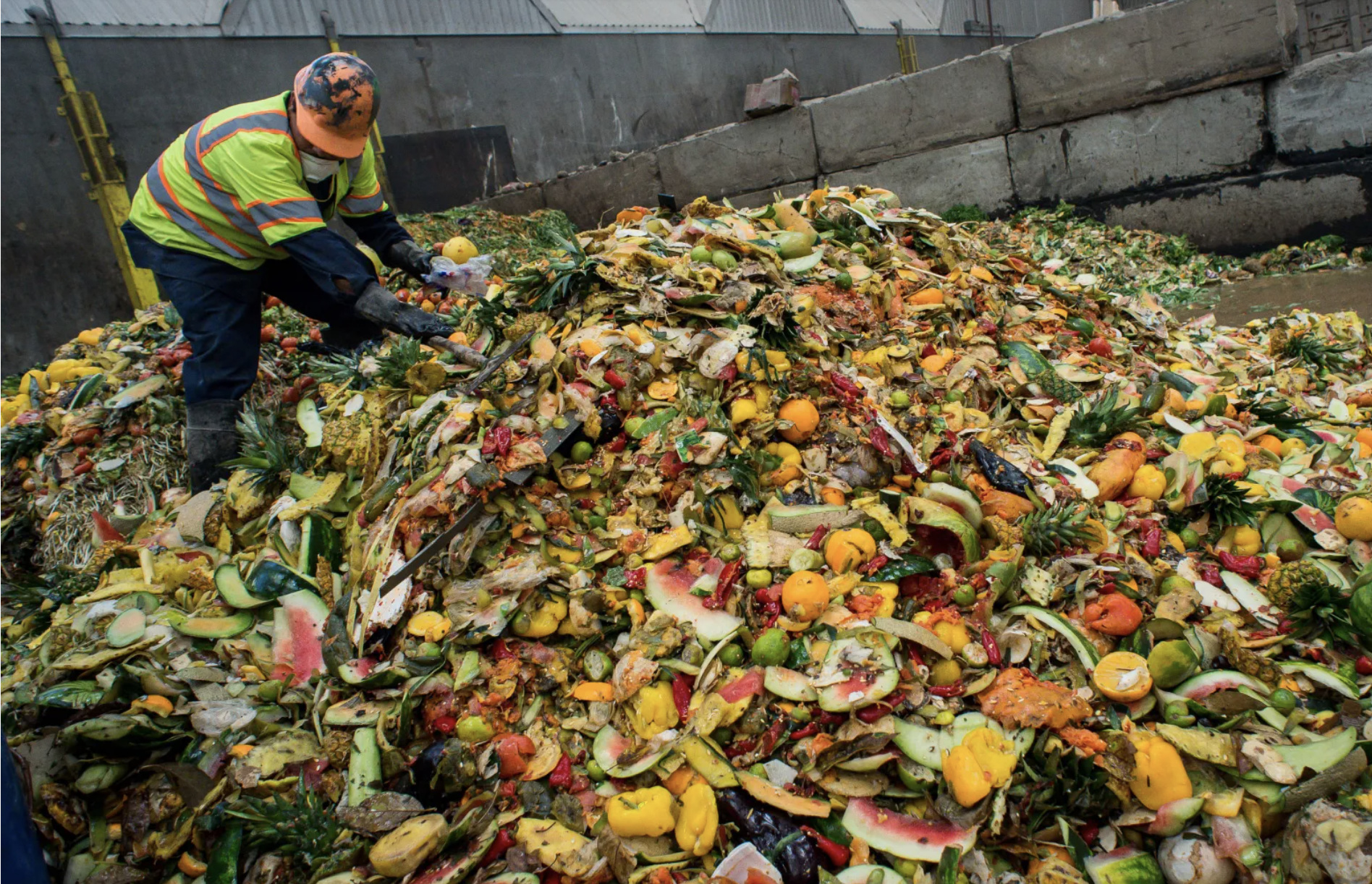
Picture this: a grand feast laid out before you, each dish crafted with care and skill, only to meet its untimely demise in the clutches of the trash bin. Yes, dear gastronomes, the staggering truth emerges like a soufflé gone awry - in the land of abundance, nearly one-third of the world's food meets a fate sealed in wasteful oblivion.
As we delve deeper into the culinary underworld, a startling revelation emerges from the bustling kitchens of restaurants. Behold, the half-pound specter of food waste per meal, haunting both plate and pantry with reckless abandon. A symphony of flavors doomed to be silenced, as 85% of unused restaurant fare meets a tragic end in the abyss of landfills.
But who, pray tell, is to shoulder the blame for this culinary tragedy of epic proportions? Are we, the culinary maestros, not endowed with the power to stem the tide of wasteful excess? I implore you, fellow chefs, to ponder upon the legacy we leave behind - a legacy not solely measured in Michelin stars or James Beard accolades but in our stewardship of Mother Nature's bountiful gifts.
Let us rise, like a perfectly risen soufflé, to the challenge at hand. Let us embrace the imperfect, the unconventional, and the overlooked in our culinary pursuits. For in the realm of food competitions, why not celebrate ingenuity in waste reduction, turning scraps into masterpieces and leftovers into legends?
Consider the staggering statistics that lie before us, a tapestry woven with the threads of 218 billion dollars in wasted sustenance. Let us not idly stand by as nature's bounty is squandered, but instead, let us wield our knives and ladles with purpose, transforming waste into wonder with each culinary creation.
And to you, dear epicures and epicureans, I extend a challenge - place a five-gallon cambro on your prep table, witness the symphony of waste unfold before your eyes, and embark on a journey towards mindful consumption. Let us not merely savor today's flavors but embrace the responsibility to nurture a sustainable tomorrow.
In this culinary crusade against waste, let creativity reign supreme, and let innovation be our guiding star. Ultimately, as we trim, chop, and simmer our way toward a more sustainable future, we all emerge as victors in the grand feast of life.

Behind the Scenes: The Art of Culinary Preparation in the Restaurant Industry
It all begins with an idea.
In the restaurant industry, we often say that "99% is preparation and 1% is perspiration." This statement goes beyond a catchy phrase - it underscores the meticulous planning and attention to detail required in running a successful kitchen or event. For chefs, the process of planning starts with creating a menu tailored to the guests' budget rather than lofty aspirations. Every item on the menu requires careful consideration, from choosing ingredients for a simple dish like a Caesar salad to coordinating napkins, place settings, and other essential elements for a multi-course meal.
Managing inventory is another critical aspect of preparation for chefs. Ensuring that the right ingredients are stocked on shelves involves balancing physical inventory with financial resources. Mistakes in supplier deliveries can tie up funds and storage space until resolved, highlighting the importance of thorough checks upon receipt. Timing is also crucial when ordering goods, as chefs must coordinate deliveries to align with their prep schedules and avoid unnecessary delays for their team.
The challenges extend beyond the kitchen, especially when catering off-site events with limited equipment and space. Adapting the menu to fit the available resources, such as a food truck with specific cooking appliances, requires strategic planning and organization. Each item on the menu must be carefully mapped out, considering plate counts, silverware, and washing facilities. Lists upon lists are created, checked, and double-checked to ensure that every detail is accounted for in the execution of the event.
Catering events can be chaotic and unpredictable, akin to playing a high-stakes game like Russian Roulette. Chefs must be ready to adapt on the fly, making adjustments if certain items run out unexpectedly. This level of control and precision appeals to many chefs, who revel in the challenge and excitement of catering unique events. Their dedication to perfection and their willingness to go above and beyond ensure that every event they cater is a memorable experience for their guests.
In conclusion, the world of catering and restaurant shifts demands a meticulous blend of preparation, adaptability, and control. Chefs navigate a complex web of planning and execution, driven by a passion for delivering exceptional culinary experiences. It is this dedication to their craft that sets them apart and makes them the unsung heroes behind the scenes of every successful event.
From Chef to Farmer Advocate: A journey of Resilience, reflections and Food Safety
It all begins with an idea.
I consider myself a farmer advocate. Every chef worth their weight should be one, too. For the lack of better terminology, the past two years have been challenging. I walked away from a corporate job during COVID to open a restaurant, only to leave it a year later. Starting my own business, I had to close it due to the loss of my sister-in-law to COVID-19. We packed up our house and moved to the west coast of Florida. My life resembles the top country song on the charts right now. You might be thinking, "You didn't mention your dogs." I hesitated to share that our dogs crossed the rainbow bridge soon after my sister-in-law's passing. So yes, my life feels like a country song hit. Despite the challenges, the resilient human spirit prevails. I refuse to give up, for I have learned that time is our most precious asset.
I was raised near where Florida once boasted the world's best oranges. I grew up surrounded by farmers tending to cows and crops, with the ocean to the east.
Recently, I was shocked to discover that the United States ranks ninth in the world for food safety, on par with France. On September 2, 2023, the USDA recalled 15,000 pounds of sausage. The following day, the FDA recalled over 5,000 pounds of dog food contaminated with Salmonella. On September 5, 2023, the USDA recalled 245,000 pounds of frozen chicken contaminated with plastic. The blinking cursor urges me to share this story. How can we not be outraged? It's not enough to applaud catching these issues; they should never have occurred. COVID-19 taught me that we cannot blindly trust BIG FOOD or the complex logistics of our food sources. It's time to scrutinize where we buy our goods. Are they truly local? Are those green tomatoes from a massive industrial farm the best and most local option? Let's eliminate the middlemen. Consider this: consolidation diminishes our choices. The shrimp industry crisis from a few years back serves as a stark reminder. One infected shrimp jeopardized entire stocks. When I was young, Joe Z's Market and the kosher butcher across the street were culinary landmarks. Today, these individual establishments have given way to conglomerates, purportedly for our convenience. But true convenience lies in cooking from whole foods, a practice we've forsaken in our time-strapped lives. We opt for quick fixes like ten-minute rice, overlooking that modern pressure cookers can prepare rice perfectly in just 12 minutes. We're always "slammed," too busy to savor life's moments or prioritize our well-being.
What do you fear more, tainted beef or unwashed greens? Do you wash your chicken out of fear of foodborne illness or COVID-19? Our country's food safety ranking is not solely about restaurant kitchens but where they source their ingredients. The old adage "Get to know your farmer" holds true. When did you last visit a genuine farm where toil and passion yield the most flavorful, nutrient-dense produce? A bite of a sun-ripened, non-GMO tomato can be a revelatory experience. Its explosion of flavors invokes a sensory journey unlike any other. As a chef, stepping outside to harvest ingredients for dinner should be a cherished routine, not an afterthought buried under excuses of being "slammed." Reflect on the quality of what you put in; it directly impacts the quality of what you serve and the reviews you receive. In today's tech-driven world, there are no excuses for not embracing sustainable practices. If you find yourself dismissing this as "nonsense," consider that even a simple hydroponic setup can revolutionize your approach to sourcing ingredients. Instead of rushing to fast-food chains, visit a local farm. Learn from farmers' dedication and let them inspire you to reconnect with the land and its bounty. The only barrier is you.
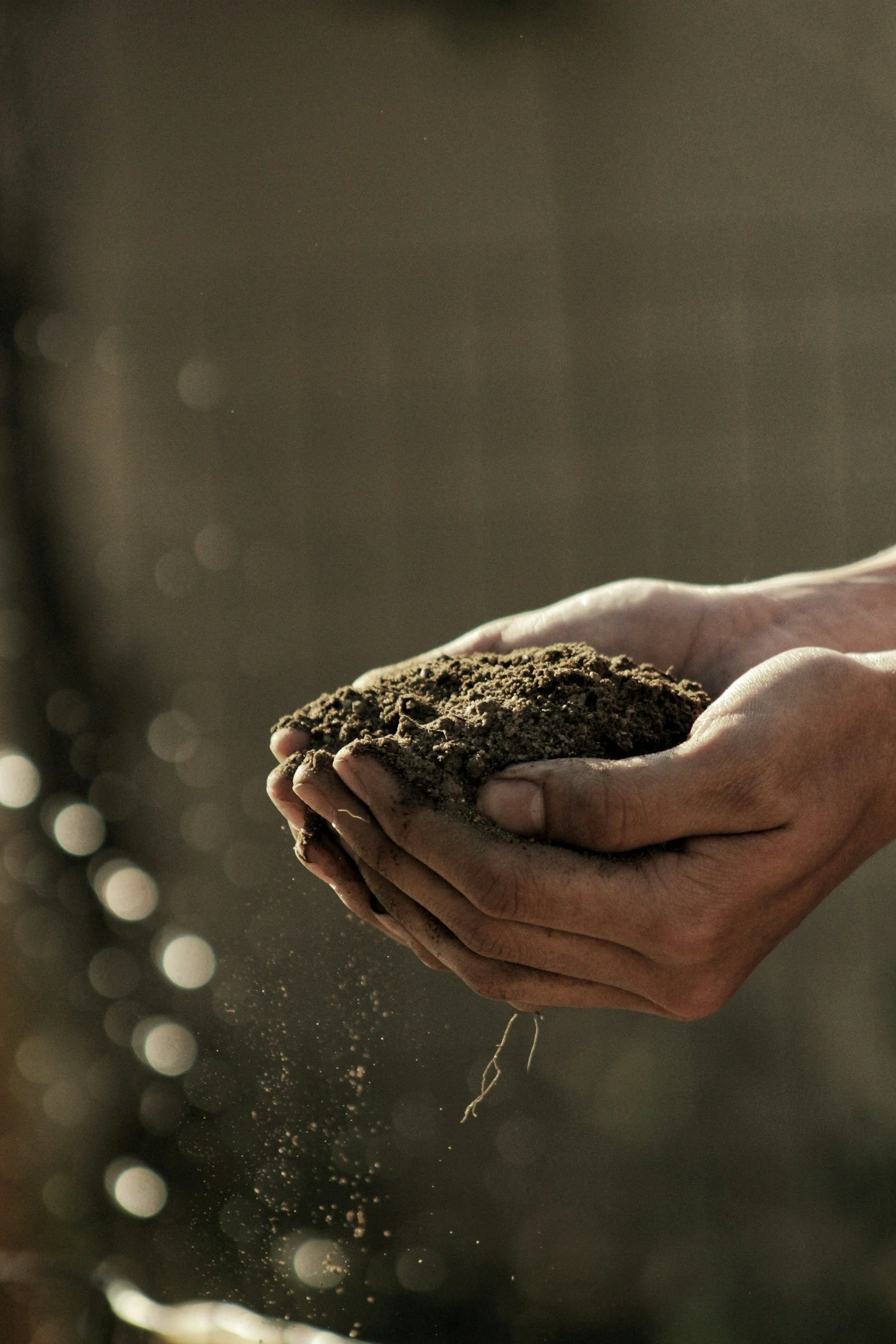
I am taking meaningful steps by utilizing my hydroponic tower and cultivating leafy greens and other favorite foods. I am translating words into action, not to make a difference but to embody a difference in my food choices. By tending to my garden and composting food waste, I aim to provide my family and guests with safe, flavorful produce. To all the hardworking farmers out there, we owe you a debt of gratitude. Thank you for nourishing our bodies and souls. Growing your own vegetables allows you to infuse your meals with a passion for how you want to eat. Consumers hold immense power; let's start exercising it.
Exploring the Culinary Passion: A Journey into the Soul of Food
It all begins with an idea.
If I could post my mental state today, it would be: "Today's forecast calls for partly melancholy with severe winds and heavy fog!" ADHD can feel like both a blessing and a curse. For those who don’t struggle with it, imagine driving down a street; suddenly, a stiff wind causes power lines to cross. There’s a massive crack, a voltage surge, and then a bolt of lightning. Once the wires separate, everything seems normal. You might call it a "squirrel moment," but I call it "wires crossed." At that moment, I short-circuited, and everything that was floating around in my mind burst forth.
It's not ADHD causing my feelings today; it’s the toll of the past few weeks. I've been focused on helping others and neglecting what’s most important: me. Through my food addiction journey, I’ve learned I need to manage my emotions positively. In the past, I would have turned to substances or food to cope. Now, I strive to be impeccable with my words, avoid taking things personally, and not make assumptions.
Today, my ADHD is in hyperdrive. After hearing about "Cupcake," I reached out to the chefs we used to hang out with and kept hearing, "This cannot be good!" It wasn’t. I felt like an awful person. Cupcake and I had many conversations, especially after they lost their fiancée to cancer. When I got the news of Cupcake’s passing, my first thought was, "How did they die?" Life happens, and I realized we had lost touch. I’m not jumping to conclusions but letting my emotions wash over me.
Throughout my journey, I’ve learned what benefits my mental health. I’ve set boundaries to protect myself. I feel like I let someone down, but I know I can’t save everyone. I understand that while some stories end, mine continues. Cupcake’s passing reminded me of my "family" from my old company. So much happened during my eight and a half years there: my mother’s cancer, my daughter’s birth, my father’s death. COVID hit me hardest; I lost my passion for food and sought more from life. It became the villain once I left that job, and those "family" members became collateral damage. I recognize I was wrong, and I will change that. I know Cupcake would have forgiven me; that’s the type of person they were. Their death has brought us back together, and I’m committed to keeping those ties.
What you just read reflects my journey in learning to cope with emotions. I wrote this without a filter to show how my mind works. I want you, the readers, to see my raw, vulnerable thoughts. Vulnerability isn’t a weakness; it’s one of the greatest gifts we can share. If you don’t believe me, watch Jon Bon Jovi save that woman’s life on the bridge.

The Ghost of Our Future & Past
It all begins with an idea.
Have you ever stopped to think about where your food really comes from? It's not just about picking up groceries at the store anymore; a bigger story unfolds right before our eyes. This isn't your typical Christmas tale - we're talking about the potential ghost of our future here.
Let's start with a simple question: how many times a day do you eat? And where does that food on your plate come from? It's easy to overlook the journey our food takes to get to us, but it's a story that's worth exploring.
Have you ever considered becoming a steward of the land, a modern-day shepherd? It's a romantic idea, but let's face it—most of us are clueless when it comes to farming. We rely on the hard work and dedication of those who understand the land and its rhythms.
The news is filled with stories of farms closing down, and the reasons may vary. Is it politics, rising costs, or environmental challenges? The truth is, it's a mix of everything. Farmers are facing tough decisions, and we, as consumers, play a crucial role in their survival.
Farmers are caught in a tough spot as prices go up and the demand for cheap food increases. They pour their hearts and souls into their work yet struggle to make ends meet. Land development, natural disasters, and fluctuating market demand all add to their challenges.
If we don't start questioning where our food comes from, we might find ourselves facing a future where food scarcity is a real threat. It's time to prioritize sustainable agriculture, support local farmers, and make informed choices about what we eat.
So next time you sit down for a meal, remember the hands that toiled to bring that food to your table. Let's not let the ghost of our future haunt us - let's make conscious choices that support a thriving, sustainable food system for generations to com